

7 evidence-backed advantages of nutritional supplements
The supplement aisle has never been more crowded, and neither has the confusion surrounding it. With thousands of products making bold claims, it is genuinely difficult to know which ones are worth your time, money, and trust. The good news is that a growing body of clinical research cuts through the noise. This article focuses on the real, scientifically validated advantages of nutritional supplements for vitality, healthy ageing, and quality of life, so you can make informed choices rather than hopeful guesses.
Table of Contents
- How nutritional supplements support healthy ageing
- Improved cognitive function and brain health
- Support for bone health and prevention of deficiencies
- Improved muscle strength, balance, and mobility
- Stronger immunity and infection resistance
- Comparison of nutritional supplements: Choosing what fits your needs
- Explore evidence-backed supplements at Vivetus
- Frequently asked questions
Key Takeaways
| Point | Details |
|---|---|
| Fills nutritional gaps | Supplements can address common diet and absorption-related deficiencies for better overall health. |
| Supports age-related changes | Nutrients like vitamin D and B12 are essential for bone, muscle, and cognitive health as we age. |
| Boosts strength and immunity | Oral nutrition and protein-based supplements improve physical markers and strengthen immune defences. |
| Scientifically proven benefits | Research supports supplements’ role in improving cognition, muscle health, and infection resistance. |
How nutritional supplements support healthy ageing
Modern diets, even well-intentioned ones, frequently fall short of meeting every nutritional requirement. Busy schedules, food processing, and age-related changes in absorption all create gaps that food alone cannot always fill. Several supplements address common deficiencies in older adults to promote overall health. That does not mean supplements replace a diet and healthy ageing strategy, but they do serve a precise, complementary role.
The most commonly addressed deficiencies in adults over 40 include:
- Vitamin D: Frequently low due to limited sun exposure and reduced skin synthesis with age
- Vitamin B12: Absorption declines as stomach acid production decreases over time
- Zinc and selenium: Often insufficient in plant-heavy or calorie-restricted diets
- Calcium: Critical for bone density and frequently under-consumed
When evaluating any supplement, the criteria that matter most are the quality of clinical evidence behind it, its relevance to your age and health profile, and its known impact on vitality. Our practical guide for vitality walks through this evaluation process in detail.
“Not all supplements are created equal. The most useful ones address a real, measurable gap in your nutritional intake and have clinical trials to back their effectiveness.”
Improved cognitive function and brain health
With a framework for evaluating supplements established, let us explore how they impact specific aspects of healthy ageing, starting with cognitive benefits. This is an area where the evidence is particularly compelling.
Multivitamins improve cognitive function in older adults, with clinical trials showing higher cognitive fitness scores after three years compared to placebo. That is not a marginal result. It suggests that consistent, daily supplementation can meaningfully slow the cognitive changes that many people assume are simply inevitable.
Key nutrients that support brain health include:
- B vitamins (especially B6, B9, and B12): Support neurotransmitter production and reduce homocysteine, a compound linked to cognitive decline
- Vitamin D: Receptors for this nutrient are found throughout the brain, and low levels correlate with poorer memory
- Antioxidants: Protect neurons from oxidative stress, which accelerates with age
Cognitive decline is not a switch that flips overnight. It is a gradual process, and the earlier you support your brain with the right nutrients, the more you preserve.
For those interested in exploring antioxidants for ageing, the evidence for their role in mental clarity is particularly strong. There is also emerging research around NMN for cognitive support, which is worth reviewing if you are looking beyond conventional multivitamins.
Statistic to note: Clinical trials demonstrate that multivitamin users score measurably higher on cognitive assessments after just 36 months of consistent use compared to those taking a placebo.
Support for bone health and prevention of deficiencies
Having clarified the value to your mind, it is equally vital to consider your body’s foundations, especially your bones and common nutritional gaps. Skeletal health is one of the most evidence-rich areas of supplement research.
- Vitamin D (800 to 1000 IU daily) reduces the risk of osteoporosis and bone fractures. Vitamin D supplementation supports bone health and addresses common deficiencies in older adults.
- Vitamin B12 is essential for those with limited stomach acid or who take proton pump inhibitors. Vitamin B12 supplements prevent deficiency in those with absorption issues, including from acid reflux medications.
- Calcium combined with Vitamin D works synergistically to maintain bone mineral density, reducing the likelihood of falls and frailty in later years.
For guidance on choosing supplements for healthy ageing, it helps to understand that bone health is not just about calcium. The full picture includes Vitamin D, magnesium, and Vitamin K2 working together.

Pro Tip: If you take a proton pump inhibitor (such as omeprazole) for acid reflux, ask your GP to check your B12 levels annually. Long-term use significantly impairs absorption, and a deficiency can develop silently over months.
Research into NMN and healthy ageing also suggests broader cellular benefits that may complement bone and tissue maintenance over time.
Improved muscle strength, balance, and mobility
Beyond supporting your skeleton, nutritional supplements can make a profound difference in day-to-day strength and movement. This matters enormously for independence and quality of life as you age.
The data here is precise and encouraging. Oral nutrition supplements increase body weight by 1.33 kg, grip strength by 1.012 kg, and calf circumference in community-dwelling older adults. These are not abstract numbers. Grip strength is a validated predictor of overall physical resilience and longevity.
| Supplement type | Key physical benefit | Measurable improvement |
|---|---|---|
| Oral nutrition supplements (ONS) | Body weight and grip strength | +1.33 kg weight, +1.012 kg grip |
| Protein-based multinutrient | Handgrip strength and gait speed | +0.33 kg grip, +0.15 m/s gait |
| Nutritional supplements (sarcopenia) | Muscle mass and mobility | Improved SMI and gait speed |
Sarcopenia, the age-related loss of muscle mass, affects a significant proportion of adults over 60. Protein-based multinutrient therapy is one of the most evidence-backed interventions available. The supplement benefits for vitality extend well beyond aesthetics. Maintaining muscle means maintaining independence.
Pro Tip: Timing matters with protein supplements. Consuming a protein-rich supplement within 30 minutes of light resistance exercise amplifies the muscle-building response, even in older adults who previously struggled to build or maintain muscle.
Statistic to note: Protein-based multinutrient therapy improves gait speed by 0.15 m/s in sarcopenia patients, a clinically meaningful change that directly reduces fall risk.
Stronger immunity and infection resistance
Physical strength is only one pillar of wellness. Maintaining a resilient immune system completes the picture for holistic vitality. Nutritional status and immune function are deeply intertwined, and this is an area where even mild deficiencies carry real consequences.
Vitamins A, C, D, E, selenium, and zinc are essential for immune function, and deficiencies in any of these weaken immunity and increase infection risk. The immune system is not a single organ. It is a network of processes that each depend on specific micronutrients to function correctly.
Key immune-supporting nutrients and their roles:
- Vitamin C: Stimulates the production and function of white blood cells
- Vitamin D: Regulates the immune response and reduces excessive inflammation
- Zinc: Essential for the development of immune cells and the inflammatory response
- Selenium: Supports antioxidant defences and reduces oxidative damage to immune cells
- Vitamin A: Maintains the integrity of mucosal barriers, your first line of defence against pathogens
Think of your immune system as a team. Every player needs adequate nutrition to perform. A deficiency in even one micronutrient is like fielding a team with a key player missing.
For a deeper look at how antioxidants for immunity work at the cellular level, the evidence is particularly compelling for adults over 50, whose immune responses naturally become less efficient with age.
Comparison of nutritional supplements: Choosing what fits your needs
With a clear understanding of each benefit, the next step is deciding which supplement or combination makes most sense for you. Not every product suits every person, and key advantages and scientific backing vary considerably across supplement types.
| Supplement | Primary benefit | Best suited for | Evidence level |
|---|---|---|---|
| Multivitamin | Cognitive function, general deficiency cover | Adults 50+, varied diets | Strong (RCT data) |
| Protein/ONS | Muscle mass, grip strength, mobility | Those with sarcopenia or low appetite | Strong (multiple RCTs) |
| Vitamin D | Bone health, immunity, mood | Most adults, especially in low-sun climates | Very strong |
| Vitamin B12 | Nerve function, energy metabolism | Adults on PPIs, vegans, over 60s | Strong |
| Immune formula (A, C, D, E, zinc, selenium) | Infection resistance, immune resilience | Those with frequent illness or high stress | Moderate to strong |
When selecting a supplement, consider these practical factors:
- Your deficiency risk: Age, diet, medication use, and sun exposure all influence which nutrients you are most likely to be low in
- Your health goals: Cognitive support, bone health, and muscle maintenance each point to different supplement priorities
- Evidence quality: Prioritize products with clinical trial support and transparent ingredient lists
- Dosage appropriateness: More is not always better. Effective doses are specific and evidence-based
For a thorough breakdown of supplement selection best practices, it is worth reviewing the criteria in detail before committing to a routine.
Explore evidence-backed supplements at Vivetus
If the evidence in this article has prompted you to review your current supplement routine, or start one for the first time, Vivetus is built precisely for that purpose. Every product in our range is selected for its scientific credibility, quality of ingredients, and relevance to healthy aging and vitality.
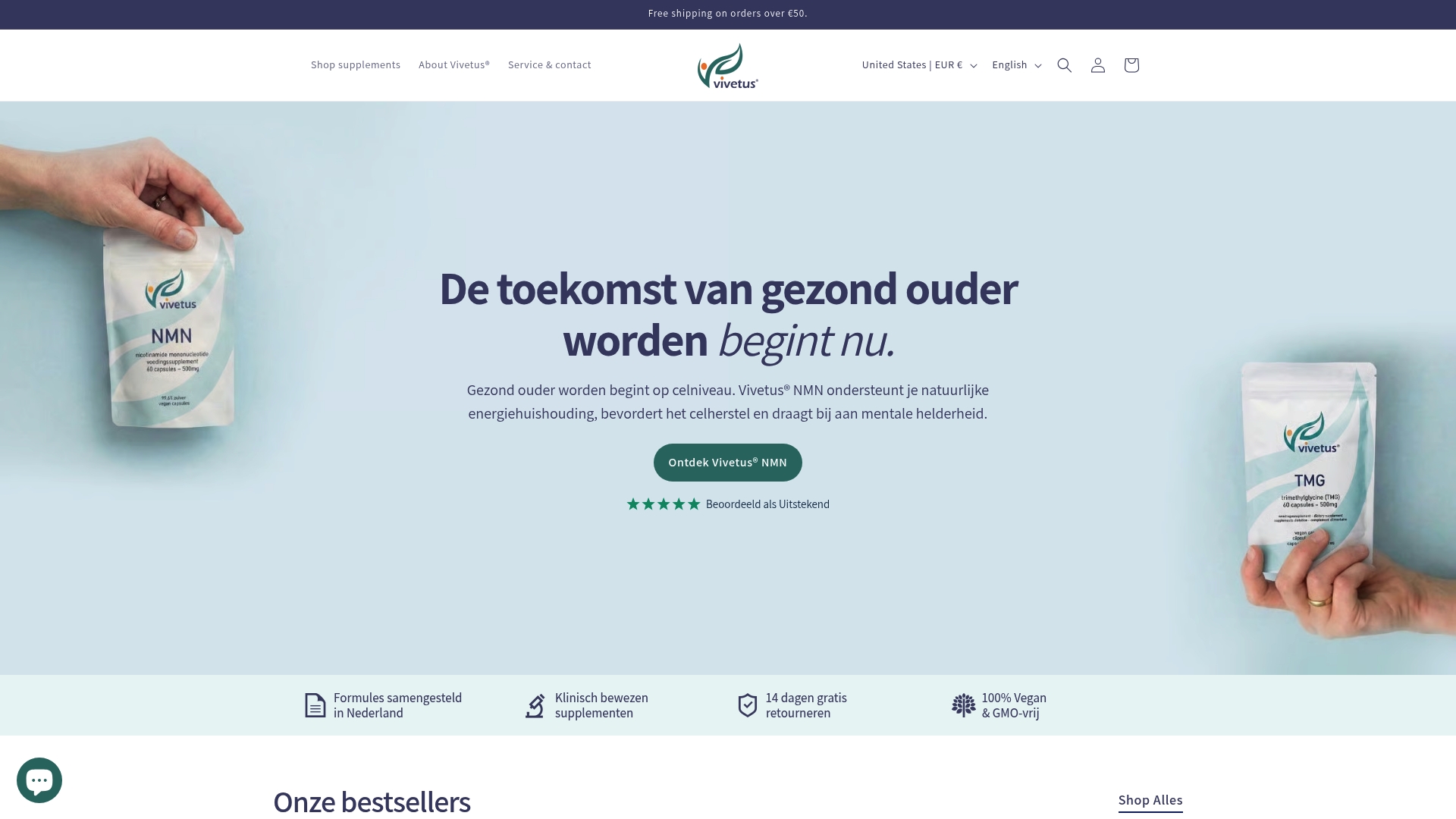
At Vivetus, you will find multivitamins, protein-based formulas, immune support blends, and targeted single-nutrient supplements, all backed by the kind of research referenced throughout this article. Orders over €50 qualify for free shipping, making it straightforward to build a consistent supplement routine without unnecessary cost. Whether you are addressing a specific deficiency or supporting your long-term vitality, our catalogue is a practical starting point.
Frequently asked questions
Can supplements replace a balanced diet?
Supplements are designed to fill nutritional gaps, not substitute the diverse range of nutrients found in whole foods. They work best as a complement to a well-structured diet, not a replacement for one.
Who needs nutritional supplements the most?
Older adults, those with absorption difficulties, and people with confirmed deficiencies benefit most. Vitamin D at 800 to 1000 IU daily, for example, directly addresses one of the most widespread deficiencies in adults over 50.
What supplements are best for energy and vitality?
Multivitamins, protein-based formulas, and products containing Vitamin B12 and D are most consistently linked to improved energy and vitality. Higher cognitive fitness scores after three years of multivitamin use also suggest broader wellbeing benefits.
Are there risks associated with taking supplements?
Most supplements are safe when used at appropriate doses, but excessive intake of fat-soluble vitamins (A, D, E, K) and certain minerals can cause harm. Always consult a GP or registered dietitian before starting a new supplement, particularly if you take prescription medication.
How can I tell if a supplement is evidence-based?
Look for products supported by randomized controlled trials, transparent ingredient labeling, and endorsement from recognized health bodies. Avoid products that rely solely on testimonials or make unverifiable claims about curing conditions.