

Top antioxidants for ageing: scientifically backed options
Choosing the right antioxidants to support healthy ageing can feel overwhelming. Countless supplements promise anti-ageing benefits, yet scientific evidence varies dramatically across products. Some antioxidants show genuine promise in clinical trials, whilst others offer little more than marketing hype. This article cuts through the confusion by examining the top antioxidants backed by rigorous research, helping you make informed decisions about which options truly support vitality and longevity as you age.
Table of Contents
- How To Evaluate Antioxidants For Healthy Ageing
- N-acetylcysteine (NAC): A Synthetic Antioxidant With Cellular Anti-ageing Effects
- Resveratrol And Other Natural Antioxidants With Clinical Benefits
- Comparing Antioxidant Supplements: Benefits, Risks And Real-world Results
- Support Your Healthy Ageing Journey With Vivetus® Supplements
- Frequently Asked Questions
Key takeaways
| Point | Details |
|---|---|
| Dietary sources are safer | Natural antioxidants from foods consistently outperform synthetic supplements in safety and effectiveness |
| NAC shows cellular promise | N-acetylcysteine demonstrates significant anti-ageing effects at the cellular level in laboratory studies |
| Resveratrol reduces wrinkles | Clinical trials confirm resveratrol’s ability to diminish visible signs of skin ageing in adults over 40 |
| Multivitamins may slow ageing | Evidence suggests multivitamin-mineral supplements modestly decelerate biological ageing processes |
| High doses carry risks | Excessive antioxidant supplementation may increase mortality risk rather than extend lifespan |
How to evaluate antioxidants for healthy ageing
Before diving into specific antioxidants, you need a framework for assessment. Not all antioxidants are created equal, and understanding evaluation criteria helps you separate genuinely beneficial options from overhyped products.
The distinction between natural dietary antioxidants and synthetic supplements matters significantly. Expert research indicates natural antioxidants from whole foods generally prove safer and more effective than isolated synthetic versions. Your body recognises and utilises naturally occurring antioxidants more efficiently, whilst synthetic versions may lack the cofactors and synergistic compounds that enhance absorption and activity.
When evaluating antioxidants, prioritise evidence strength over marketing claims. Look for randomised controlled trials, not just laboratory studies or testimonials. Clinical translation matters because what works in a petri dish doesn’t always translate to human health benefits. Consider these essential evaluation criteria:
- Bioavailability: Can your body actually absorb and use the antioxidant effectively?
- Safety profile: What does long-term research reveal about potential risks?
- Multi-target effects: Does the antioxidant address multiple ageing pathways simultaneously?
- Dosage evidence: Are recommended doses based on clinical studies or arbitrary marketing decisions?
Pro Tip: Before adding any antioxidant supplement to your routine, assess your current diet quality first. A foundation of antioxidant-rich whole foods provides superior protection compared to supplements alone.
One critical consideration often overlooked is the potential harm from excessive supplementation. Research shows that high-dose antioxidant supplements may actually increase mortality risk rather than reduce it. This counterintuitive finding highlights why choosing supplements for healthy ageing requires careful consideration of both benefits and risks.
“The best antioxidant strategy combines a nutrient-dense diet with targeted, evidence-based supplementation rather than relying solely on high-dose synthetic antioxidants.”
Your lifestyle choices also influence how effectively antioxidants work. Regular exercise enhances antioxidant enzyme activity in your cells, whilst poor sleep and chronic stress deplete your natural antioxidant reserves. This synergy means antioxidants work best as part of a comprehensive healthy ageing approach, not as standalone solutions.
N-acetylcysteine (NAC): a synthetic antioxidant with cellular anti-ageing effects
N-acetylcysteine represents one synthetic antioxidant with substantial research backing its anti-ageing potential. Whilst clinical translation remains limited, cellular studies reveal promising mechanisms that warrant attention.
NAC functions as a precursor to glutathione, your body’s master antioxidant. Laboratory research demonstrates that NAC effectively reduces oxidative stress and cellular senescence markers in vitro. Senescent cells accumulate as you age, secreting inflammatory compounds that accelerate tissue deterioration. NAC’s ability to attenuate this process at concentrations ranging from 1-10mM suggests meaningful anti-ageing effects at the cellular level.
The cellular evidence for NAC includes:
- Reduction of reactive oxygen species that damage DNA and proteins
- Restoration of mitochondrial function in aged cells
- Attenuation of inflammatory signalling pathways linked to age-related diseases
- Protection of telomeres from oxidative damage
However, cellular promise doesn’t automatically translate to human health benefits. The concentrations used in laboratory studies often exceed what’s achievable through oral supplementation due to bioavailability limitations. Your digestive system breaks down NAC before it reaches many target tissues, reducing its effectiveness compared to direct cellular application.
Despite these limitations, NAC shows potential as part of a broader anti-ageing strategy. Some practitioners use it to support respiratory health, liver function, and mental clarity, benefits that may indirectly support healthy ageing. The discussion of natural versus synthetic antioxidants suggests NAC might complement rather than replace dietary antioxidants.
Pro Tip: If you’re considering NAC supplementation, consult a healthcare professional first. Dosage matters significantly, and NAC can interact with certain medications or exacerbate specific health conditions.
The synthetic nature of NAC positions it differently from dietary antioxidants. Whilst your body produces glutathione naturally from amino acids, NAC provides a direct precursor that bypasses certain metabolic steps. This efficiency makes NAC appealing for targeted intervention, though it lacks the broad spectrum of protective compounds found in whole foods. Understanding ageing process science helps contextualise how NAC fits into cellular health strategies.
Resveratrol and other natural antioxidants with clinical benefits
Natural antioxidants from dietary sources consistently demonstrate superior safety profiles and effectiveness compared to synthetic alternatives. Resveratrol stands out amongst these options with compelling clinical evidence.
Clinical trials confirm that resveratrol reduces skin wrinkles and improves skin health in women over 40. This polyphenol, found naturally in grape skins, berries, and peanuts, activates sirtuins, proteins that regulate cellular ageing and stress resistance. The visible improvements in skin texture and elasticity reflect deeper cellular benefits, including enhanced collagen production and reduced oxidative damage.
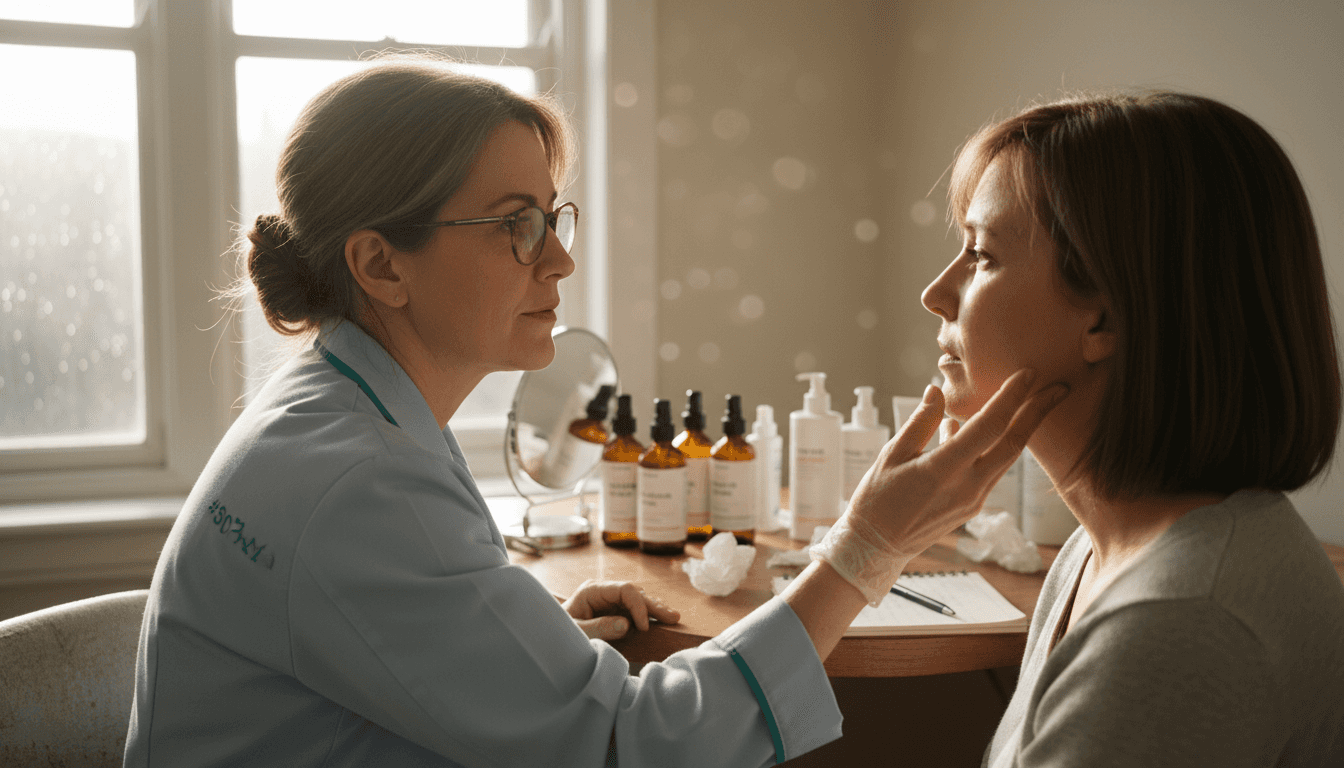
Beyond resveratrol, several natural antioxidants show robust evidence for longevity support. Research demonstrates that higher dietary antioxidant intake correlates with lower mortality in people with hypertension. This protective effect stems from multiple antioxidants working synergistically rather than any single compound acting alone.
| Antioxidant | Primary Sources | Key Benefits | Research Highlights | | — | — | — | | Resveratrol | Grapes, berries, peanuts | Reduces wrinkles, activates longevity genes | Clinical trials show visible skin improvements in 12 weeks | | Vitamin E | Nuts, seeds, leafy greens | Protects cell membranes, supports immune function | Associated with reduced cardiovascular mortality | | Selenium | Brazil nuts, fish, whole grains | Enhances antioxidant enzymes, thyroid function | Deficiency linked to accelerated ageing markers | | Carotenoids | Carrots, tomatoes, peppers | Eye health, skin protection, immune support | Higher intake correlates with lower all-cause mortality | | Flavonoids | Tea, citrus, dark chocolate | Vascular health, cognitive function | Epidemiological studies link intake to longevity |
The advantage of obtaining antioxidants through whole foods extends beyond the compounds themselves. Foods rich in antioxidants also provide fibre, minerals, and other phytonutrients that enhance overall health. This complexity explains why resveratrol supplements may not fully replicate the benefits of consuming resveratrol-rich foods, though concentrated forms can provide targeted support.
Practical strategies for maximising dietary antioxidants include:
- Consuming a rainbow of coloured vegetables and fruits daily
- Including nuts and seeds as regular snacks
- Choosing whole grains over refined alternatives
- Drinking green or black tea regularly
- Using herbs and spices liberally in cooking
When comparing resveratrol versus quercetin benefits, both compounds offer complementary mechanisms. Resveratrol excels at activating longevity pathways, whilst quercetin provides potent anti-inflammatory effects. Combining multiple natural antioxidants through varied dietary sources creates the most robust protection against age-related cellular damage.
Comparing antioxidant supplements: benefits, risks and real-world results
The supplement marketplace overflows with antioxidant products, yet research reveals a sobering reality about their effectiveness and safety. Understanding the evidence helps you navigate these options wisely.
A comprehensive review found that antioxidant supplements including beta-carotene, vitamins A, C, E, and selenium do not reduce mortality and may slightly increase it. This counterintuitive finding challenges the assumption that more antioxidants always equal better health. The mechanism behind this increased risk likely involves disrupting your body’s carefully balanced oxidative signalling systems.
Not all supplements show harmful effects. Recent research indicates that multivitamin-multimineral supplements modestly slow epigenetic ageing clocks, whilst cocoa flavanols show no effect. This distinction highlights how different antioxidant formulations produce vastly different outcomes.
| Supplement Type | Mortality Effect | Ageing Clock Impact | Notable Risks | Clinical Evidence Quality | | — | — | — | — | | High-dose vitamin E | Slight increase | Unknown | Haemorrhagic stroke risk | Strong (multiple RCTs) | | Beta-carotene | Slight increase | Unknown | Lung cancer in smokers | Strong (large trials) | | Vitamin C alone | No clear benefit | Unknown | Generally safe | Moderate | | Selenium | No clear benefit | Unknown | Toxicity at high doses | Moderate | | Multivitamin-mineral | Neutral to slight benefit | Modest slowing | Low at standard doses | Strong (COSMOS trial) | | Cocoa flavanols | Neutral | No effect | Minimal | Strong (COSMOS trial) |
These findings underscore why choosing supplements for healthy ageing requires moving beyond simplistic “antioxidants are good” thinking. Your body maintains oxidative balance through sophisticated regulatory systems, and flooding it with high-dose antioxidants can disrupt these mechanisms.
For making informed decisions about antioxidant supplementation, follow this practical framework:
- Assess your current diet first and identify genuine nutritional gaps rather than assuming you need supplements
- Consider proven supplements like multivitamin-mineral formulations that show modest benefits without significant risks
- Avoid high-dose single-antioxidant supplements unless specifically recommended by your healthcare provider for a diagnosed deficiency
- Prioritise lifestyle factors like exercise, sleep, and stress management that enhance your natural antioxidant systems
- Monitor your response to any supplements and discontinue those that don’t produce noticeable benefits
The epigenetic ageing clock findings from the COSMOS trial provide valuable insight. Whilst multivitamins produce modest effects, they don’t dramatically reverse biological ageing. This reinforces that supplements work best as part of comprehensive healthy ageing strategies rather than standalone solutions. The lack of effect from cocoa flavanols, despite their potent antioxidant properties in laboratory settings, further illustrates the gap between theoretical benefits and real-world outcomes.
Support your healthy ageing journey with Vivetus® supplements
Navigating the complex world of anti-ageing nutrition becomes simpler with scientifically formulated supplements designed for genuine results. Vivetus® offers targeted solutions that complement the evidence-based principles discussed throughout this article.
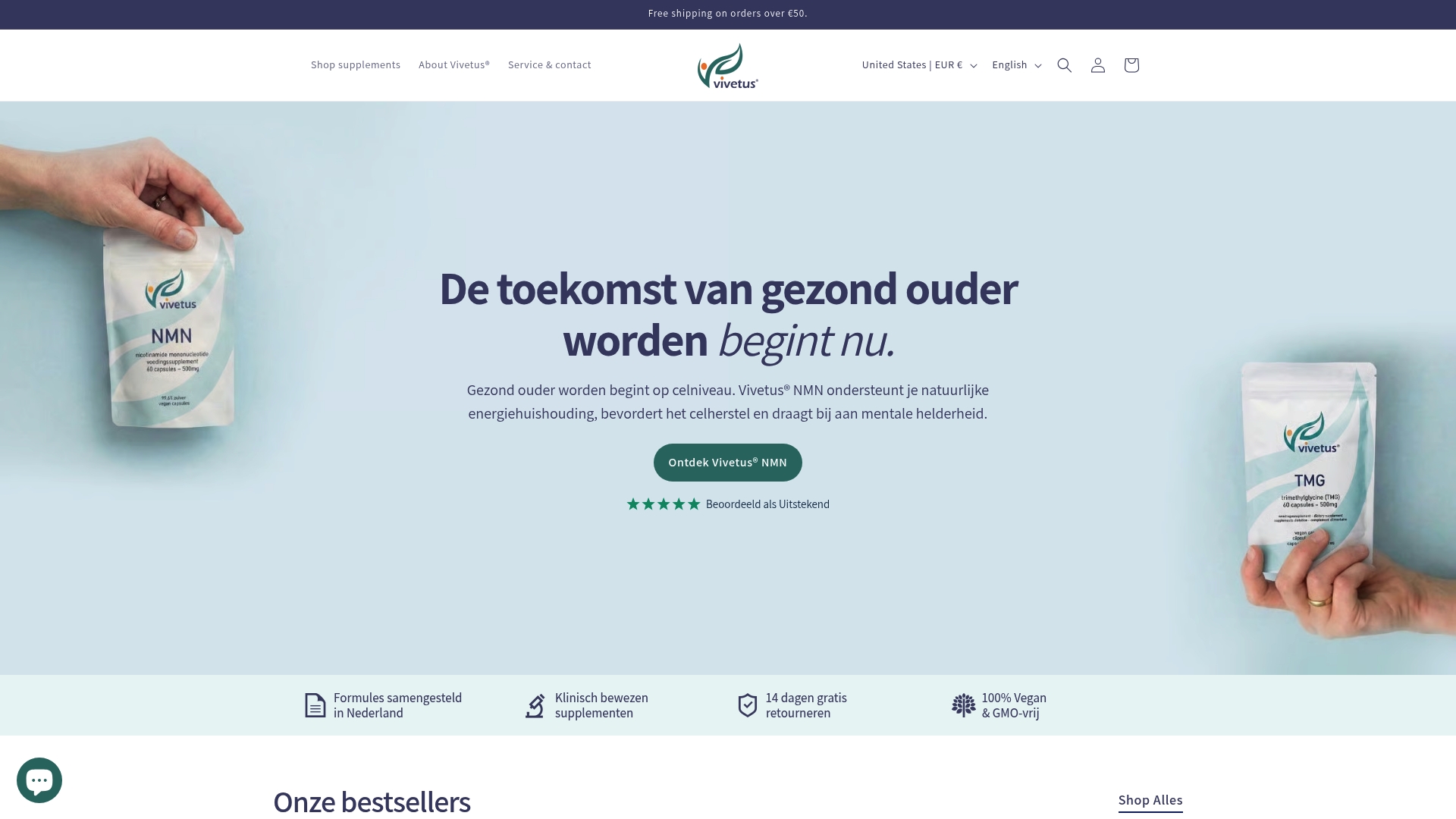
Our TMG supplements support methylation pathways critical for cellular repair and healthy ageing. Combined with our energy and vitality bundle, you can address multiple aspects of age-related decline through compounds backed by emerging research. We prioritise transparency, providing detailed information about ingredient sourcing, dosing rationale, and scientific foundations.
“At Vivetus®, we believe healthy ageing requires more than hope and marketing claims. Our formulations reflect current scientific understanding whilst acknowledging the limitations and uncertainties inherent in longevity research.”
Explore our approach to evidence-based supplementation and discover how we’re helping people age with vitality and purpose. Learn more about our mission and commitment to your wellbeing.
Frequently asked questions
What are antioxidants and how do they help with ageing?
Antioxidants are molecules that neutralise free radicals, unstable compounds that damage cellular structures including DNA, proteins, and lipids. This protective action slows cellular ageing by preventing oxidative stress accumulation. Your body produces some antioxidants naturally whilst others come from diet, working together to maintain cellular health and support vitality as you age.
Is it better to get antioxidants from diet or supplements?
Dietary antioxidants consistently demonstrate more reliable protective effects than supplements. Research shows that dietary vitamin C intake reduces Alzheimer’s risk and mortality more effectively than supplemental forms. Whole foods provide antioxidants alongside complementary nutrients that enhance absorption and activity, whilst high-dose supplements may disrupt your body’s natural oxidative balance. For guidance on supplement selection when dietary intake proves insufficient, consider evidence-based approaches to supplementation.
What are the risks of taking antioxidant supplements?
High doses of antioxidant supplements may increase mortality risk rather than reduce it. Large randomised controlled trials reveal that supplements including beta-carotene and vitamins A, C, E, and selenium show no mortality benefit and potentially slight harm. These supplements can interact with medications, interfere with medical treatments, or disrupt your body’s carefully regulated oxidative signalling. Always consult healthcare providers before starting antioxidant supplementation, particularly at doses exceeding dietary reference intakes.
Can antioxidants reverse signs of ageing such as wrinkles?
Certain antioxidants show genuine promise for reducing visible ageing signs. Clinical trials demonstrate that resveratrol reduces skin wrinkles and improves skin health in women over 40, with noticeable improvements appearing within 12 weeks. Results depend significantly on the specific antioxidant, dosage, delivery method, and individual factors. Topical application often produces more dramatic skin benefits than oral supplementation, though systemic effects from oral antioxidants support overall skin health. Explore resveratrol options if you’re interested in evidence-based approaches to skin vitality.